

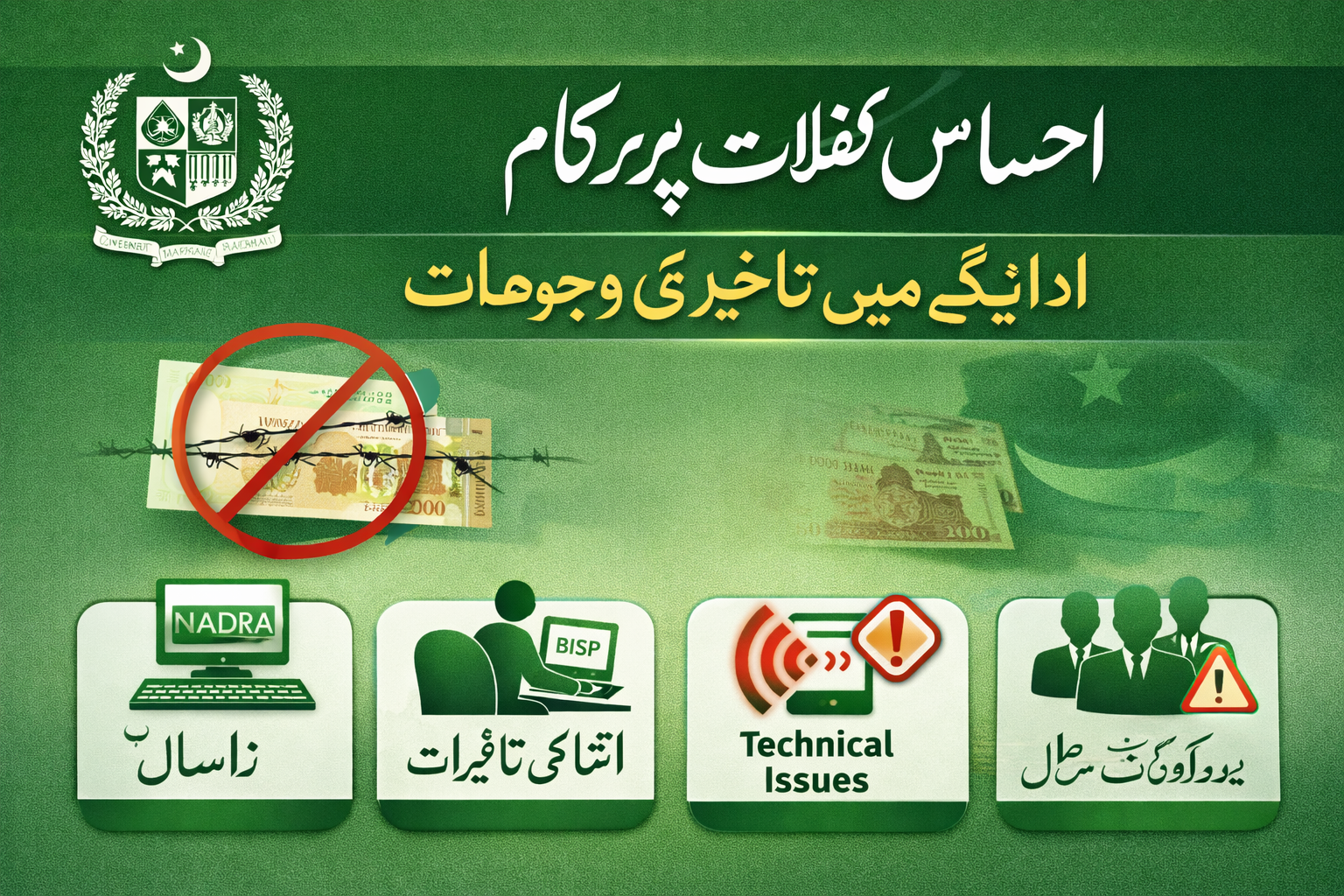
The Ehsaas Kafalat Program is designed to provide regular financial assistance to Pakistan’s most vulnerable families, especially women. However, thousands of beneficiaries experience unexpected payment delays, missed installments, or blocked payments without clear explanations.
Understanding why Ehsaas Kafalat payments are delayed is essential to avoid repeated visits to payment centers, unnecessary complaints, and financial stress. This article explains the real reasons behind payment delays, how the system works, and what beneficiaries can do to resolve the issue.
What Is the Ehsaas Kafalat Program?
The Ehsaas Kafalat Program, now operating under the Benazir Income Support Programme (BISP), provides quarterly cash assistance to eligible low-income women across Pakistan.
Payments are usually disbursed through:
- Designated banks
- Biometric payment centers
- Retail agents
- ATM cards (in some cases)
Despite a structured system, delays remain common.
Why Do Ehsaas Kafalat Payments Get Delayed?
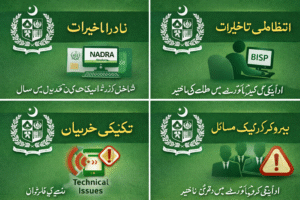
Payment delays are rarely random. They occur due to technical, administrative, or eligibility-related reasons.
Below are the most common causes.
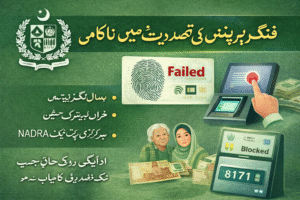
1. Biometric Verification Failure
Biometric issues are the leading cause of payment delays.
Why it happens:
- Fingerprint mismatch
- Worn fingerprints (common among elderly women)
- Faulty biometric machines
- NADRA database errors
Result:
Payment is blocked until verification is successful.
2. CNIC Expired or Blocked
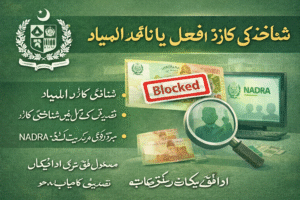
A valid CNIC is mandatory.
Issues include:
- CNIC expired
- CNIC under verification
- CNIC blocked by NADRA
- Incorrect CNIC data in BISP records
Even a minor discrepancy can freeze payments.
3. NSER Survey Data Update Pending
Ehsaas eligibility depends on NSER (National Socio-Economic Registry) data.
Delay occurs when:
- Household survey data is outdated
- Family income status changed
- Family size updated but not verified
- Survey revalidation is pending
Until NSER data is updated, payments may stop.
4. Eligibility Status Changed
Some beneficiaries unknowingly become temporarily ineligible.
Common triggers:
- Family member gets a government job
- Ownership of land or vehicle detected
- Increased income flagged
- Utility bills exceed threshold
The system automatically pauses payments for review.
5. Payment Cycle & Schedule Delays
Ehsaas payments are released in phases, not all at once.
Reasons:
- District-wise payment scheduling
- Bank processing delays
- Public holidays
- System load during high disbursement periods
Your payment may be approved but not yet released.
6. Biometric Center or Retailer Issues
Sometimes the issue is not you — it’s the center.
Problems include:
- Network failure
- Server downtime
- Untrained staff
- System not updated with latest payment cycle
This causes beneficiaries to be wrongly told that “payment hasn’t arrived.”
7. Multiple Registrations or Data Duplication
If the system detects:
- Duplicate CNIC entries
- Multiple family registrations
- Incorrect household mapping
Payments are stopped until verification clears duplication.
8. Change in Bank or Payment Channel
If BISP shifts payment methods (e.g., from ATM to retailer):
- Old cards may stop working
- Beneficiaries may not be informed
- New biometric verification becomes mandatory
This transition often causes delays.
9. Complaint Under Review
If a beneficiary filed a complaint:
- The account may be temporarily frozen
- Payments resume only after investigation
Ironically, complaints can slow payments before fixing them.
10. Technical System Errors
Occasionally, the problem is purely technical:
- Server glitches
- Data syncing delays
- Software updates
These delays usually resolve automatically, but patience is required.
How to Check Ehsaas Kafalat Payment Status
Beneficiaries can check status through:
- SMS Service:
Send CNIC number to 8171 - BISP Tehsil Office:
Visit with original CNIC - Official Payment Centers:
Verify biometric status
Avoid unofficial agents. They feed on confusion.
What To Do If Payment Is Delayed?
Step-by-step solution:
- Verify CNIC validity from NADRA
- Check status via 8171 SMS
- Visit nearest BISP office if unresolved
- Update NSER survey data if required
- Retry biometric verification at another center
Persistence matters. Silence doesn’t help.
Can Delayed Payments Be Recovered?
Yes. If eligibility remains valid:
- Missed payments are usually released later
- Arrears may be paid together
However, permanently ineligible beneficiaries will not receive pending payments.
Frequently Asked Questions (FAQs)
Q1: How long can Ehsaas payment delay last?
From a few days to several months, depending on the issue.
Q2: Can payments stop permanently?
Yes, if eligibility criteria are violated.
Q3: Is biometric verification mandatory every time?
Yes, for most payment channels.
Q4: Does changing mobile number affect payments?
No, but CNIC data must remain correct.
Final Thoughts
The Ehsaas Kafalat Program payment delay is usually a system issue, not a punishment. Understanding the reasons helps beneficiaries take the right action instead of waiting endlessly or trusting misinformation.
Delays can be fixed.
Confusion can be avoided.
But only if you know the reason.
Related Prpgrams
Parwaz Card Scheme 2026: Punjab Government’s Interest-Free Support for Overseas Employment
Asaan Karobar Loan 2026: When Punjab Decided Small Businesses Deserve Breathing Space
Solar Panel Scheme vs Electricity Subsidy – Which Saves More?